
Cross-border clients
Assessment and follow-up planning for clients who travel into Shenzhen and need a clear session structure within a limited visit window.
SG Physical Rehab is a manual and movement therapy practice for people who need careful assessment before hands-on work and a clear plan for returning to training, travel, or daily life.
Sessions are one-to-one. Communication can be arranged before you arrive in Shenzhen, which matters for short stays and travel schedules.
Assessment and follow-up planning for clients who travel into Shenzhen and need a clear session structure within a limited visit window.
Movement screen, manual work, and home guidance for travellers who want continuity while visiting mainland China.
Runners, field athletes, desk-bound professionals, postpartum clients, and youth posture cases where the same complaint keeps returning.
Load management, return-to-running progressions, and post-injury control for runners and court sports.
Neck–shoulder tension, low-back and pelvic discomfort, scoliosis-related posture, and daily movement mechanics.
Overuse patterns, shoulder and lower-limb complaints, and staged return after competition or heavy training blocks.
Adolescent posture asymmetry, training habit education, and family-facing guidance around growth and load.
Injury timeline, training load, posture, balance, and compensation patterns before any hands-on work begins.
Joint mobilisation, soft-tissue and fascia-oriented techniques chosen against what the assessment finds — not a fixed menu.
Strength, control, and confidence progressions so the session ends with a plan you can continue between visits.
We look at pain, history, habits, and load together — not as isolated symptoms.
Manual work reduces barriers that keep the same compensation repeating.
Guided movement restores capacity for sport, travel, desk work, or caregiving.
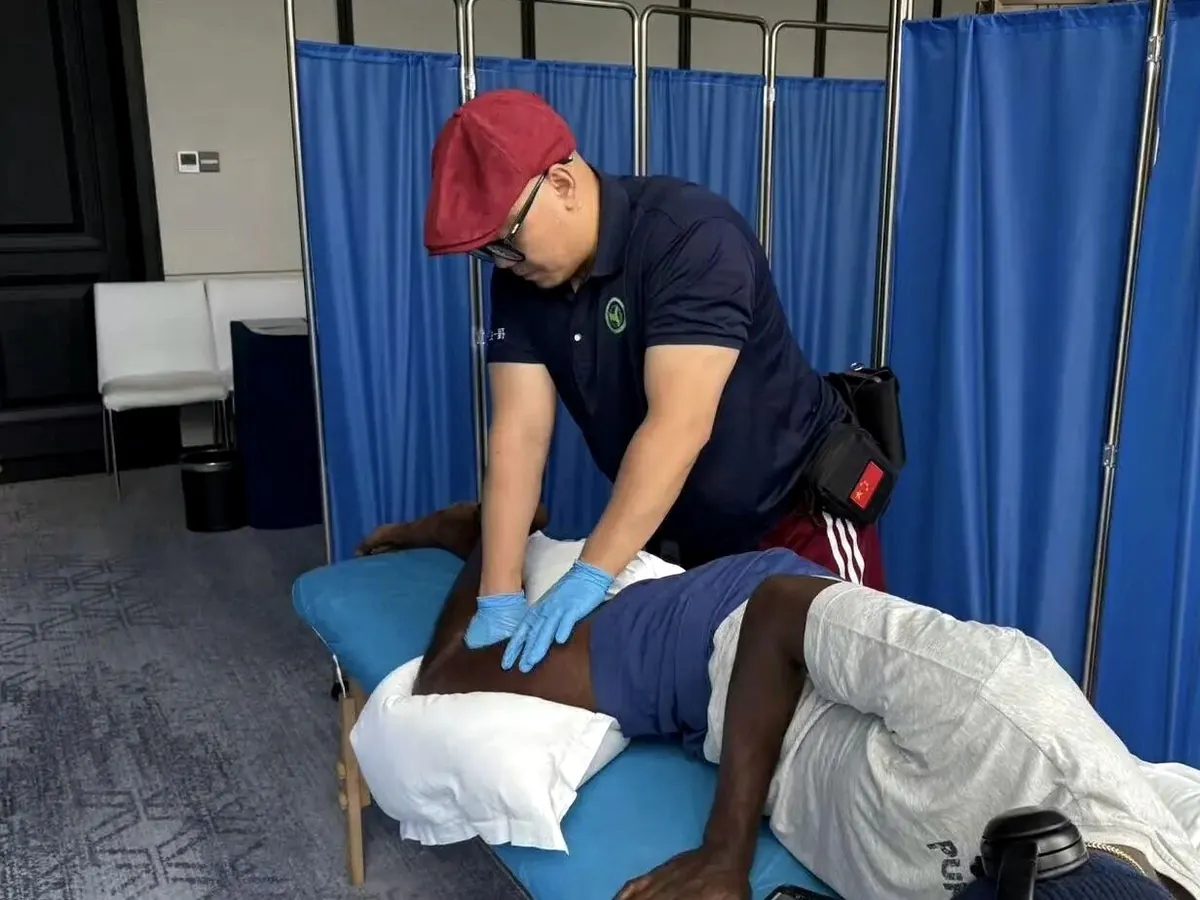
The practice combines manual therapy systems (including Mulligan, Maitland, and fascia-oriented approaches), movement assessment (including SFMA), and functional training. The aim is a coherent plan — not generic massage and not a class template.
Recovery support for endurance and elite track settings, including HKU Business School Xuanzang Trail and Wanda Diamond League Xiamen.
Years of hands-on practice and professional training inform how sessions are explained and progressed.
Joint mobilisation, fascia and soft-tissue work, posture and gait observation, staged return-to-activity planning.
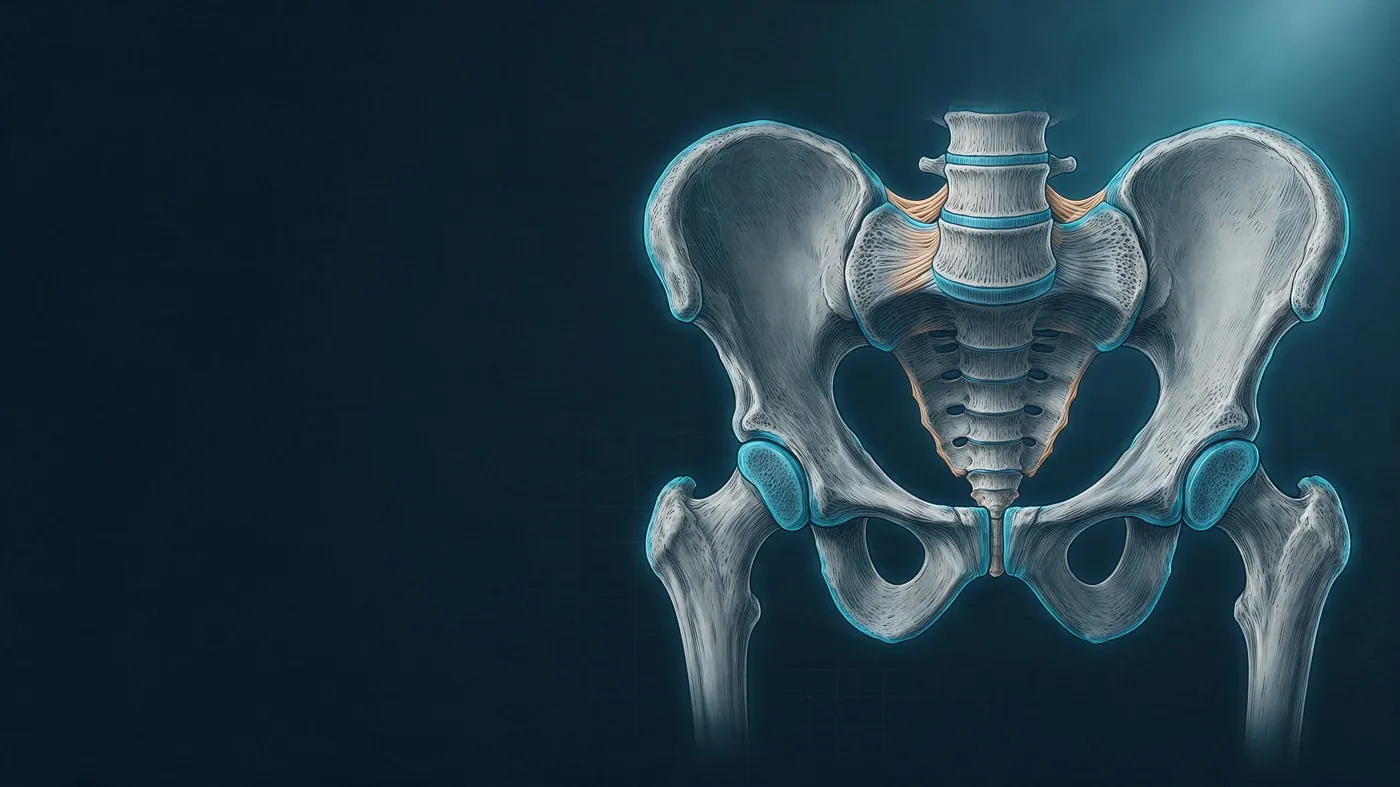
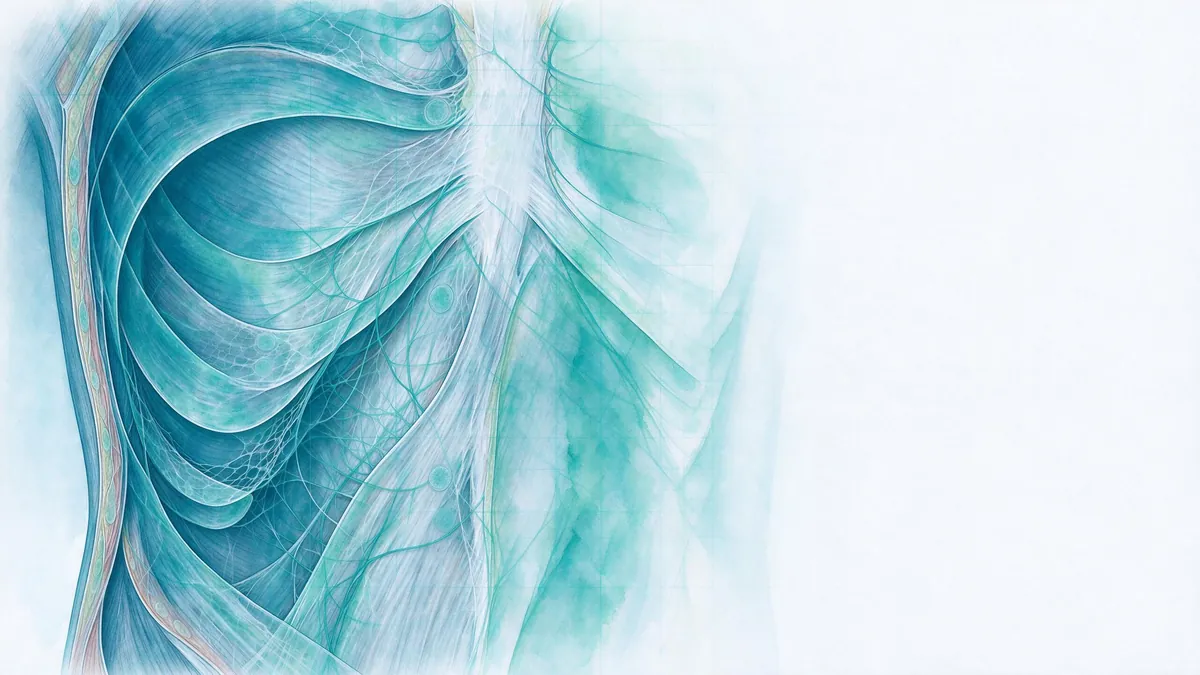
Session decisions are grounded in functional anatomy: how joints share load, how soft tissue constrains motion, and how gait and posture redistribute stress. Teaching materials used inside the practice follow the same visual language you see here.
Small articular motions and ligament restraint matter for low-back and hip presentations that do not settle with rest alone.
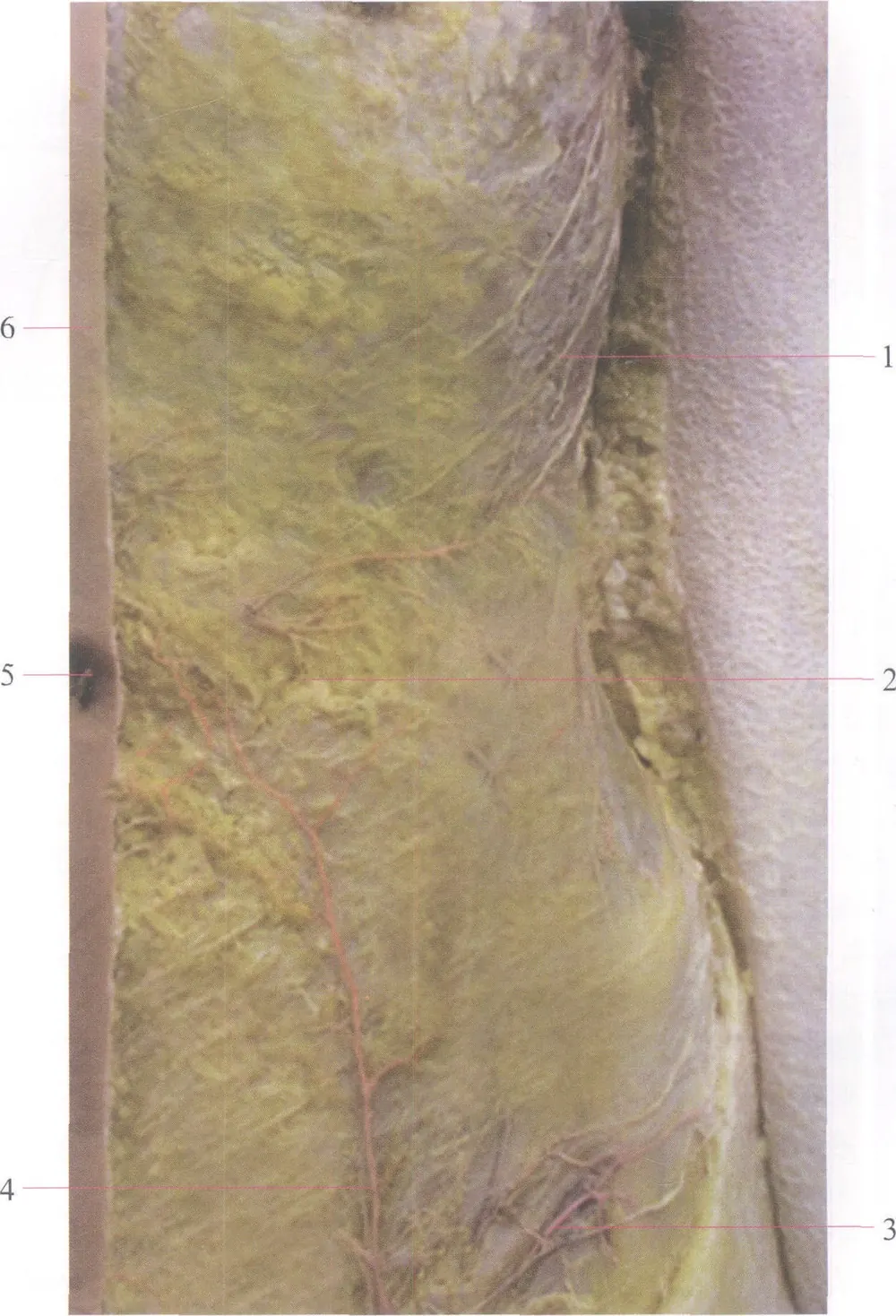
Chest, abdominal, and limb fascial layers influence how force transmits — useful when symptoms sit far from the original load.
How force travels from foot contact through hip and trunk guides return-to-running and post-injury control work.
Method notes drawn from in-house anatomy teaching decks (pelvis / SI joint; chest & abdominal fascia). Not a substitute for individual assessment.
Share your concern and preferred contact method. SG confirms before the visit — especially important if you are booking from outside mainland China or on a short trip.
A short history of the complaint, recent training or travel load, and any imaging or surgical notes you already have. Bring sportswear you can move in.